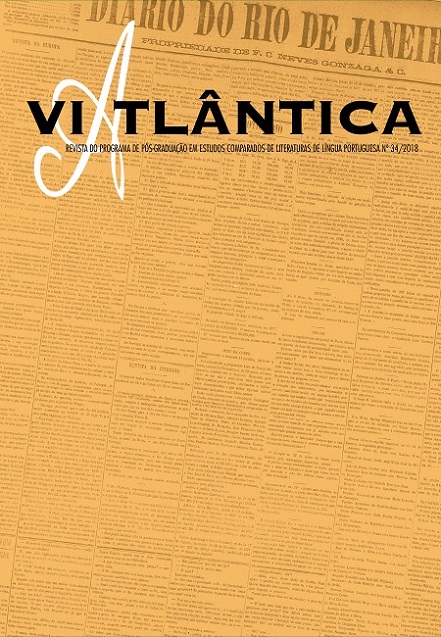
Limites entre o jornalismo e literatura em "A Guerra não tem Rosto de Mulher", de Svetlana Aleksiévitch: uma análise do narrador a partir do conceito benjaminiano de Erfahrung
DOI:
https://doi.org/10.11606/va.v0i34.145695Palavras-chave:
jornalismo, jornalismo literário, narrador, erfahrung, svetlana aleksiévitchResumo
Observar o tracejado que divide jornalismo e literatura pode significar a avaliação de uma linha tênue ou a comparação entre galáxias distantes. Tal paradoxo é nutrido pelo deslocamento constante de fronteiras, sobretudo nos formatos híbridos, sendo impossível estabelecer definitivamente limites éticos e estéticos que encerrem cada narrativa. Partindo dessa imprecisão, este estudo recorre à categoria de Erfahrung (experiência), presente nos estudos de Walter Benjamin, para investigar os tensionamentos do narrador em “A guerra não tem rosto de mulher”, de Svetlana Aleksiévitch. O objetivo é discutir a importância do Jornalismo Literário como proposta contra-hegemônica efetiva aos mass media.
Downloads
Referências
Publicado
Edição
Seção
Licença
Direitos autorais (c) 2018 Emerson Campos Gonçalves, Robson Loureiro

Este trabalho está licenciado sob uma licença Creative Commons Attribution 4.0 International License.
Autores que publicam nesta revista concordam com os seguintes termos:
- Autores mantém os direitos autorais e concedem à revista o direito de primeira publicação, com o trabalho simultaneamente licenciado sob a Licença Creative Commons Attribution que permite o compartilhamento do trabalho com reconhecimento da autoria e publicação inicial nesta revista.
- Autores têm autorização para assumir contratos adicionais separadamente, para distribuição não-exclusiva da versão do trabalho publicada nesta revista (ex.: publicar em repositório institucional ou como capítulo de livro), com reconhecimento de autoria e publicação inicial nesta revista.
- Autores têm permissão e são estimulados a publicar e distribuir seu trabalho online (ex.: em repositórios institucionais ou na sua página pessoal) a qualquer ponto antes ou durante o processo editorial, já que isso pode gerar alterações produtivas, bem como aumentar o impacto e a citação do trabalho publicado (Veja O Efeito do Acesso Livre).